If you are an Amazon FBA seller, a Shopify store owner, or a B2B wholesaler, you've probably spent countless hours scrolling through online directories looking for the perfect manufacturer. But here is the hard truth: over 70% of the suppliers you find online are not factories at all.
They are trading companies masking as manufacturers, adding a 20% to 50% markup on every unit you buy. In this guide, we will take you behind the scenes of the world's largest wholesale market—Yiwu, China—and show you how to cut out the middlemen.
1. The Myth of Online Supplier Directories
Most overseas buyers start their journey on platforms like Alibaba or Global Sources. While these platforms are great for research, they are plagued with intermediaries. Trading companies often hire excellent English speakers and build beautiful online storefronts, but they outsource the actual production to smaller, hidden factories.
2. Why Yiwu Market over the Canton Fair?
The Canton Fair is fantastic for electronics and heavy machinery, but if you are dealing in consumer goods (toys, hardware, home decor, packaging, accessories), the Yiwu International Trade Market is the undisputed king.
- Scale: Yiwu market has over 70,000 booths. If you spent 3 minutes at each booth, 8 hours a day, it would take you over a year to see everything.
- MOQ (Minimum Order Quantity): Unlike the Canton Fair where factories demand 10,000+ units, Yiwu suppliers are often willing to start with smaller batches.
- Consolidation: You can buy 50 different products from 50 different booths and consolidate them into one shipping container on the same day.
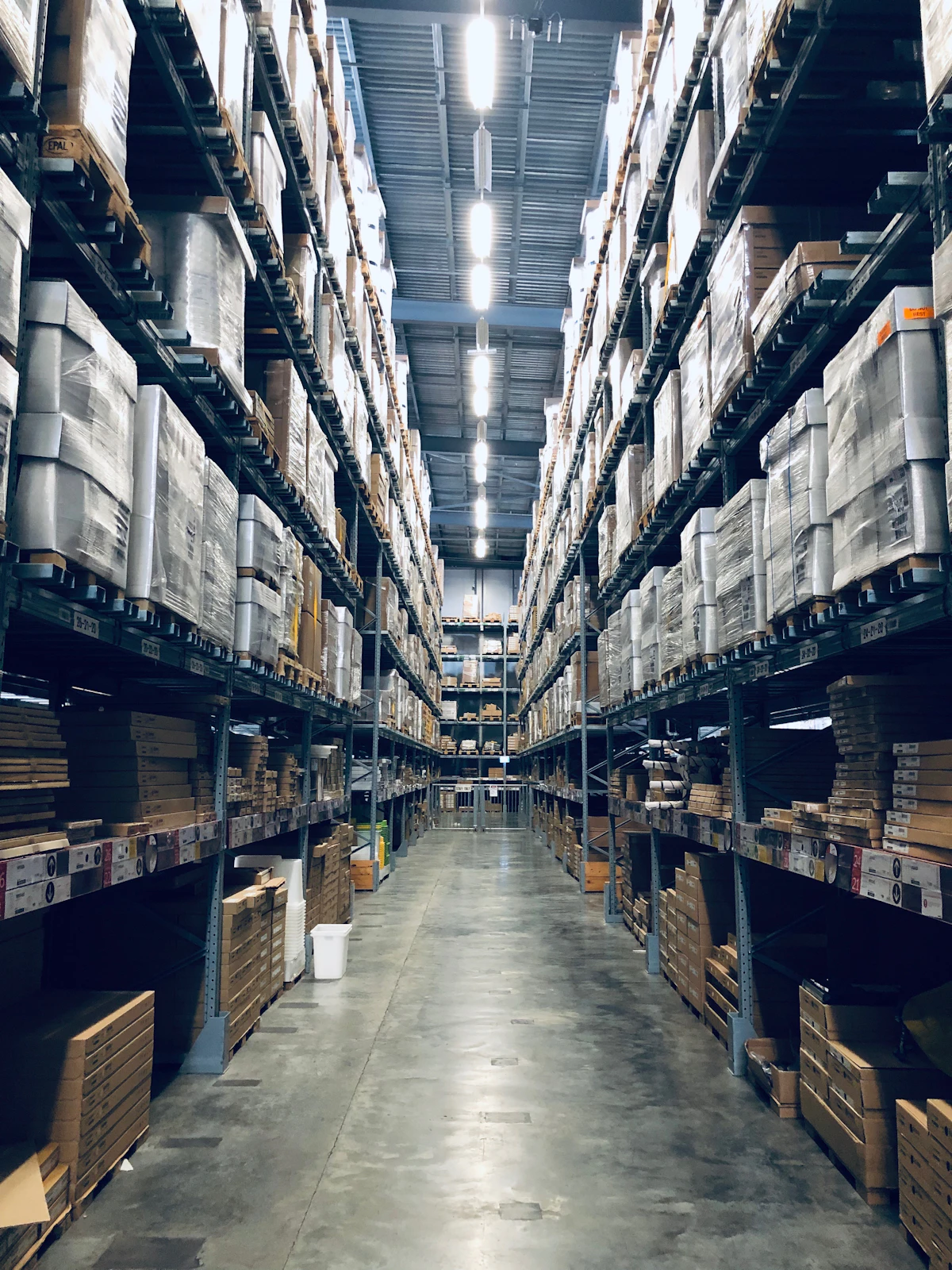
3. The 4-Step Professional Sourcing Process
To successfully navigate the complex Chinese supply chain, you need a systematic approach. Here is how top-tier sourcing agencies handle procurement:
Step 1: Deep Background Checks
Before transferring a single dollar, verify the factory's business license, registered capital, and physical address using China's National Enterprise Credit Information system.
Step 2: Sample Consolidation
Never approve a mass production run based on photos. Request samples from 3-4 different factories. A good sourcing partner will consolidate these samples into one DHL package to save you hundreds of dollars in shipping.
4. Common Quality Control Traps to Avoid
One of the biggest mistakes buyers make is assuming that a "Golden Supplier" badge guarantees quality. It does not. Quality fade (where the factory slowly uses cheaper materials in subsequent orders) is a real issue.
Always insist on a Pre-Shipment Inspection (PSI) based on AQL (Acceptable Quality Limit) standards before the final balance is paid. Once the goods leave the Chinese port, your leverage drops to zero.
5. Stop Leaving Money on the Table
Finding the right factory shouldn't feel like gambling. By partnering with a local expert on the ground, you bypass the language barriers, culture gaps, and hidden markups.